Image-Safely Setup with OT58001 for an extended protection area
The focus has been on reducing the weight of personal protective equipment for some time now. To fulfill these market requirements, MAVIG has developed a new solution for on-site radiation protection: the Image-Safely System.

NEW: Image Safely Setup
- Increased protection – “Image Safely Zone”
- “Image Safely Zone” enables protective clothing with a lower lead equivalent
- Ideal for use with femoral and radial access
Connect & Protect feature for maximum flexibility
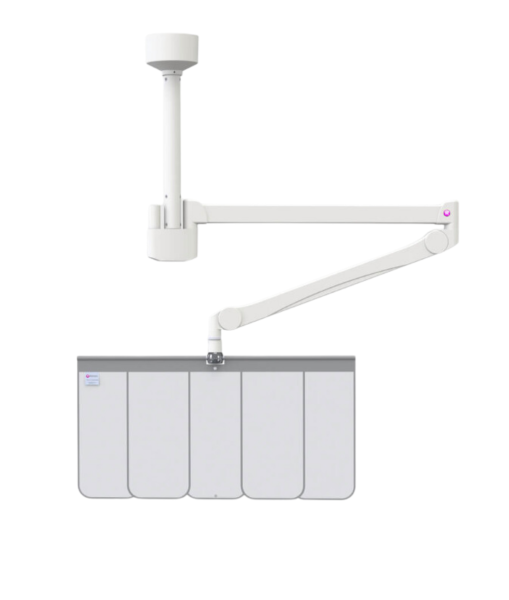
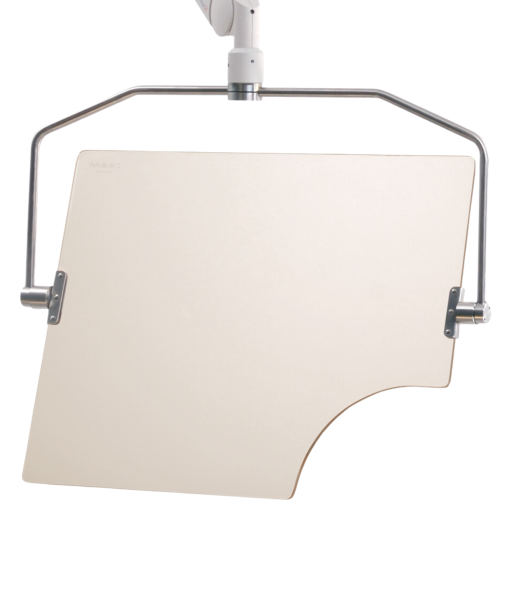
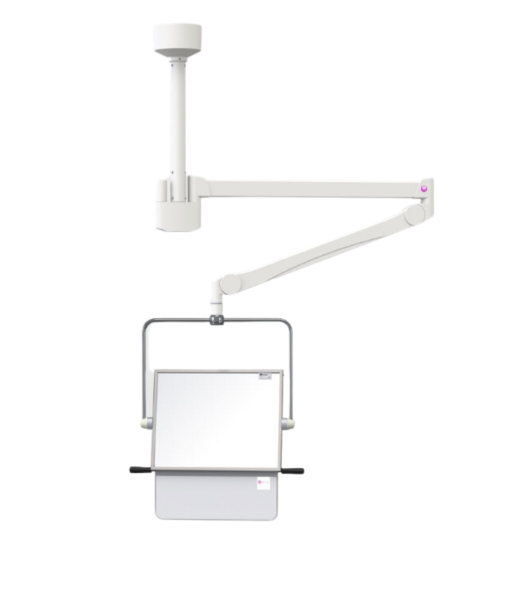
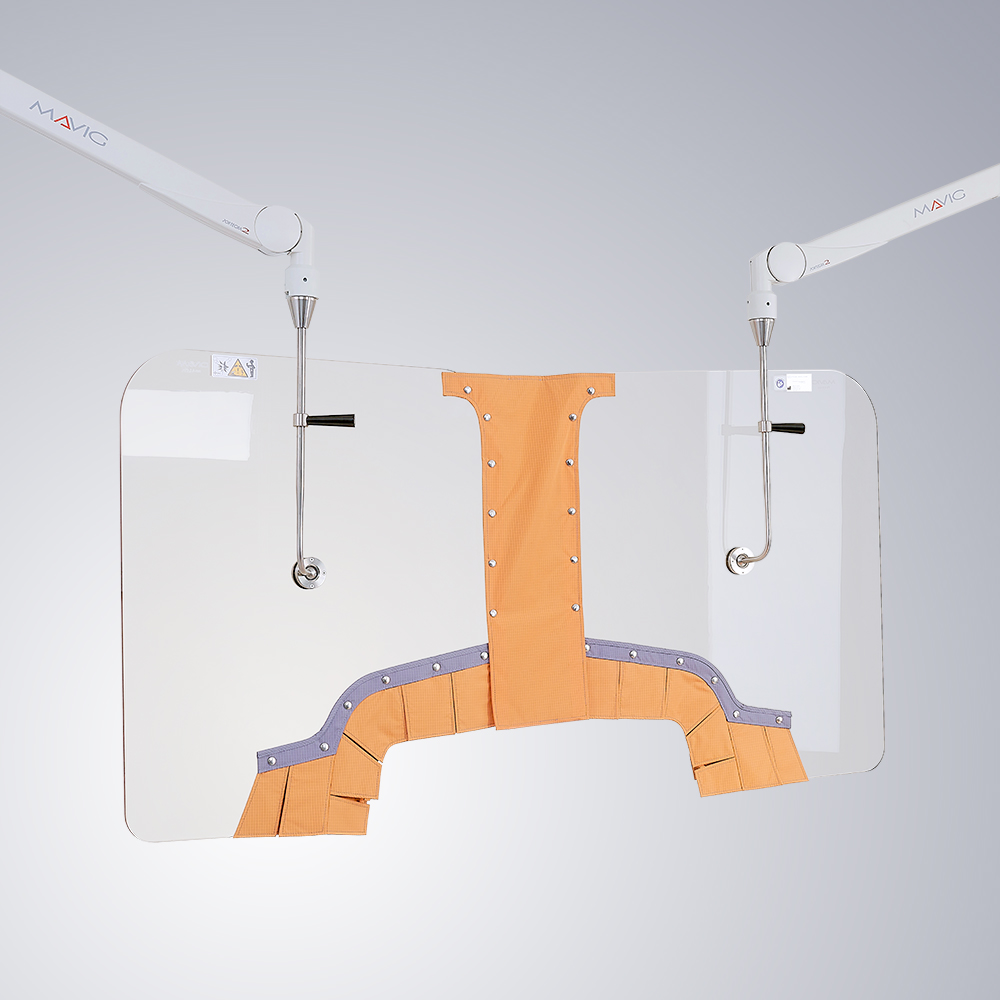
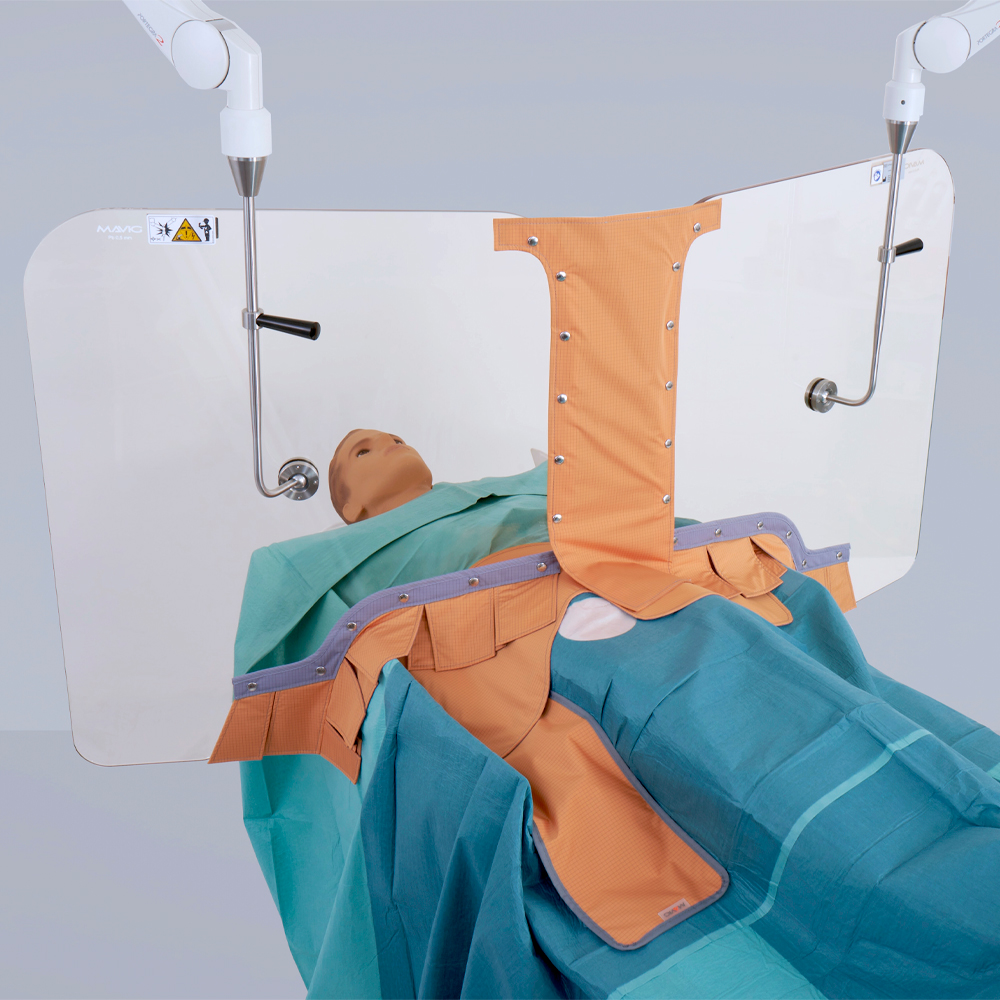
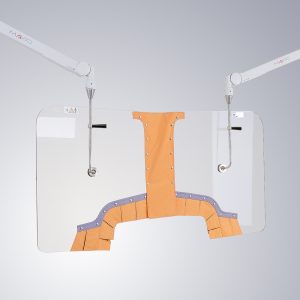
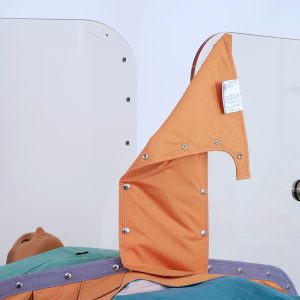
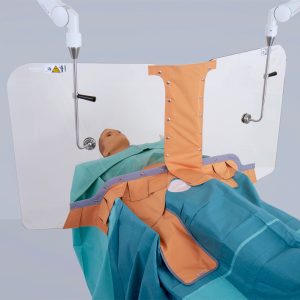
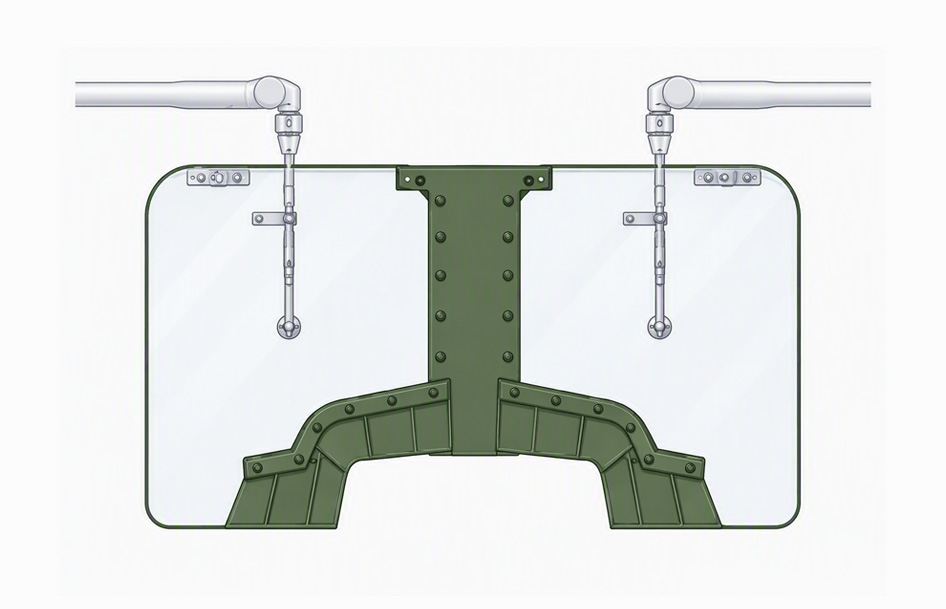
The centerpiece is the large OT58001 radiation protection shield. A connecting curtain with a lead equivalent of 0.50 mm Pb seamlessly connects two radiation protection shields, creating the largest possible protection zone against scattered radiation in the room. This allows for a smooth workflow for each procedure.
At the same time, the product offers unique flexibility through the Connect & Protect feature. If the procedure does not allow a two-shield configuration, it is easy to separate them.
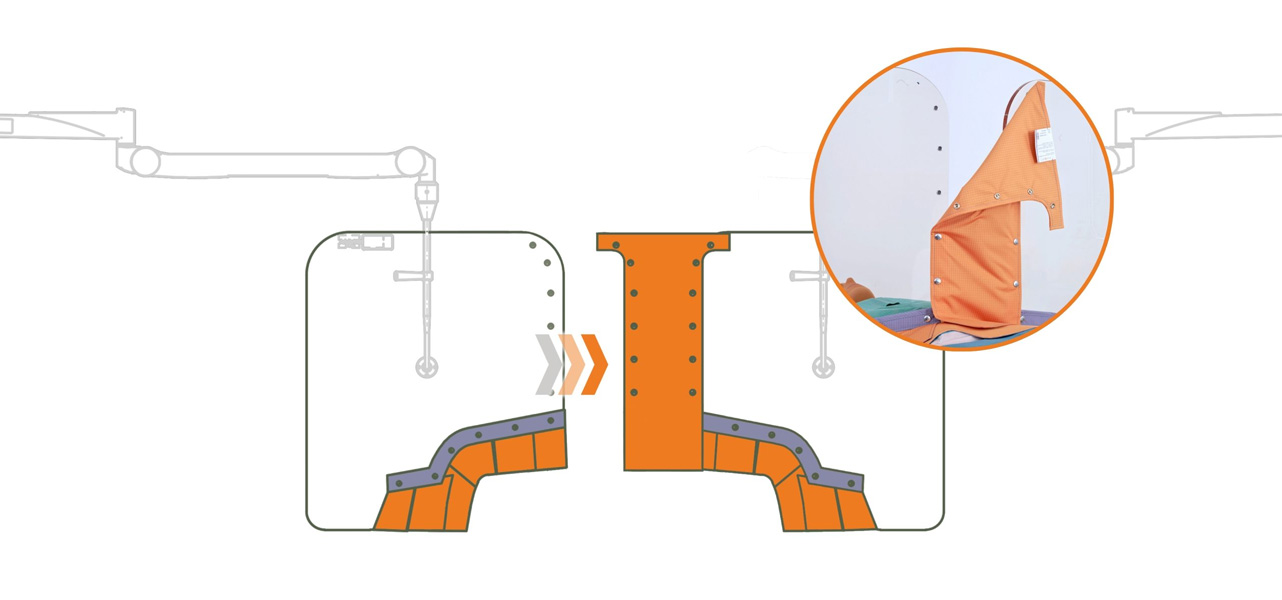
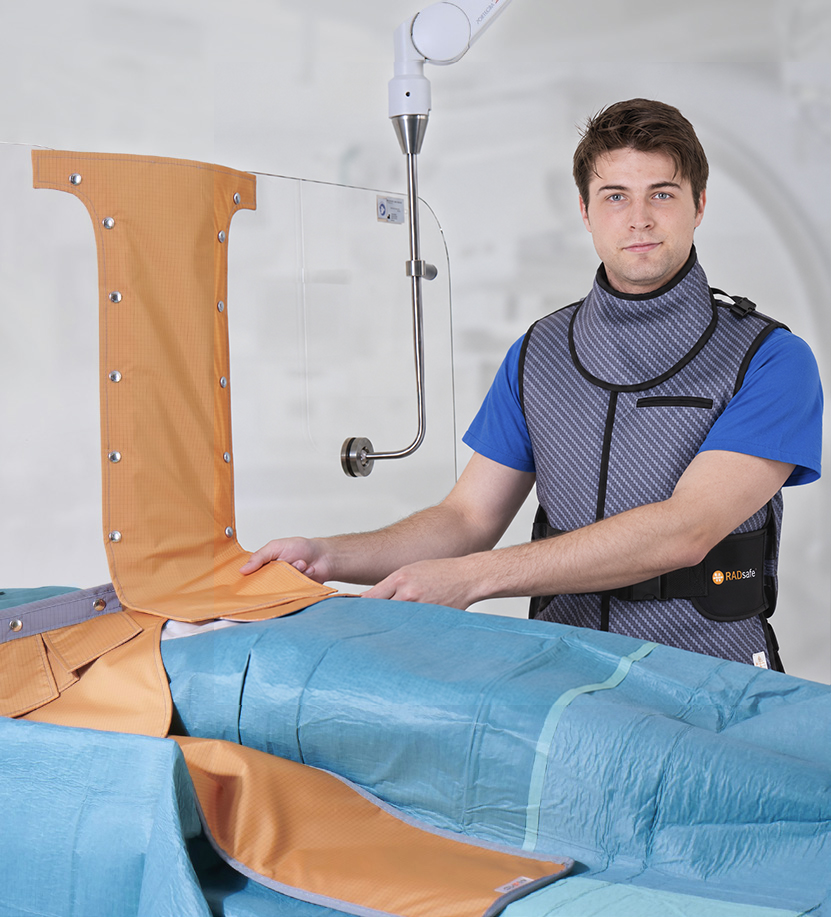
The new OT58001 radiation protection shield set can reduce scattered radiation at the examiner’s position by up to 98% (in combination with UT70 lower body protection and ST-FS5AMM, ST-RZ5AMM patient drapes). This reduces the lead equivalent of your X-ray protective apron and significantly lowers the weight.
The radiation protection concept is easy to integrate, especially in rooms where the Portegra®2 suspension system is already installed.
Optimal Shielding
People are not all the same. A classic example is height.
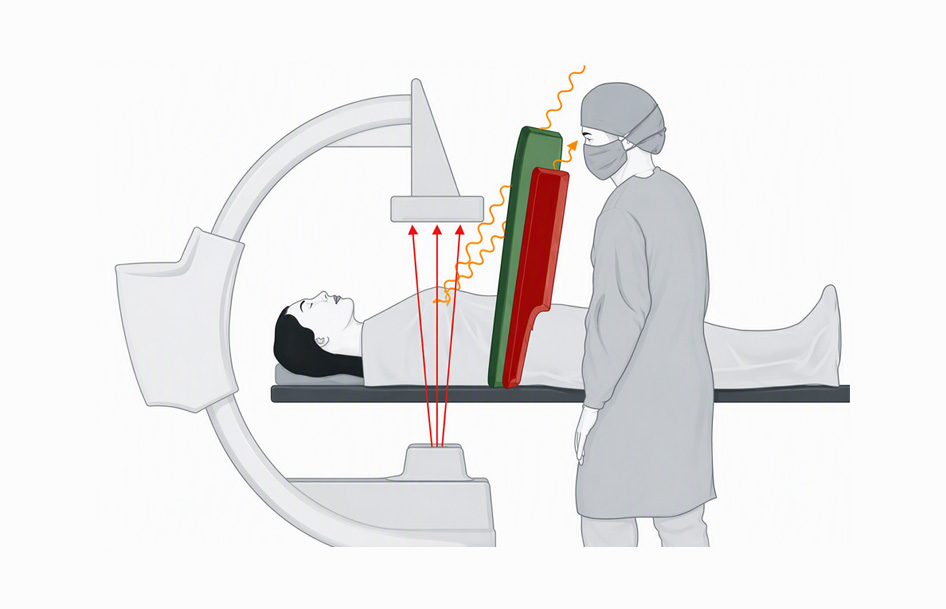
With the standard radiation protective shields currently used, it is possible that the top part of the head is unprotected. But, in particular, the eye lenses require protection due to their high sensitivity to X-rays.
Freedom of Movement
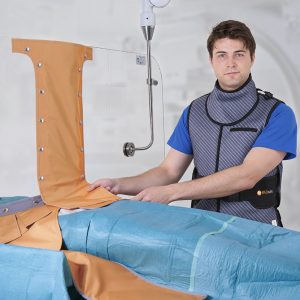
During a complex intervention, people do not always stay behind the radiation protection necessary for that procedure. The examiner turns and changes his/her position or posture depending on the procedure.
In doing so, the user may not always be in the ideal position exactly behind the protective shield. Parts of the body, especially those parts that are not covered with personal protective equipment (e.g. shoulders, arms, hands), are then exposed to considerable radiation.
No Underpassing Radiation
Another problem in the application of radiation protection has been the release of radiation from below the shield.
This results from the scattered radiation originating in the patient volume radiographed, a considerable proportion of which travels through the patient’s body tissue.
The examiner is thus exposed to the scattered radiation that has traveled underneath the shield and then exited the patient’s body.
Radiation Protective Drapes
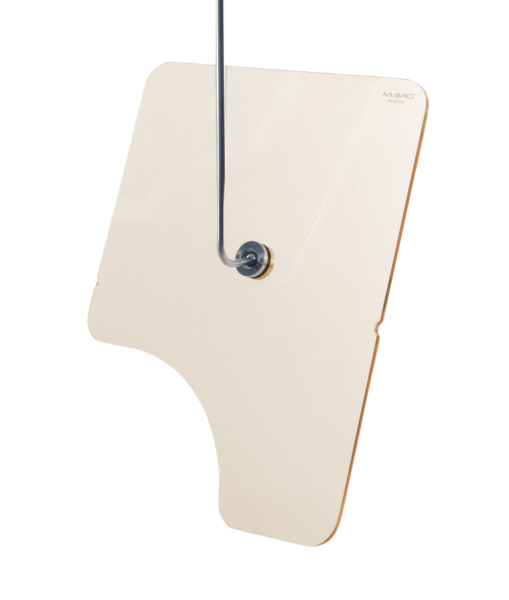
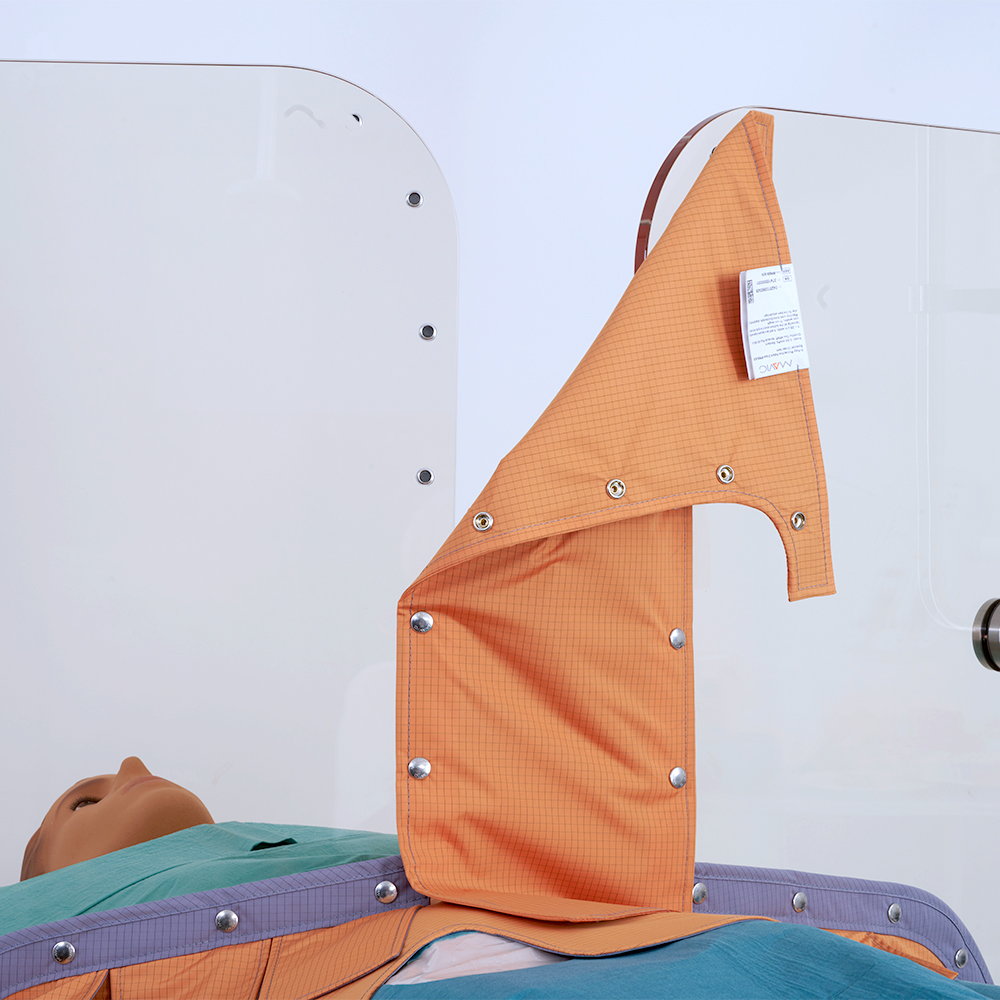
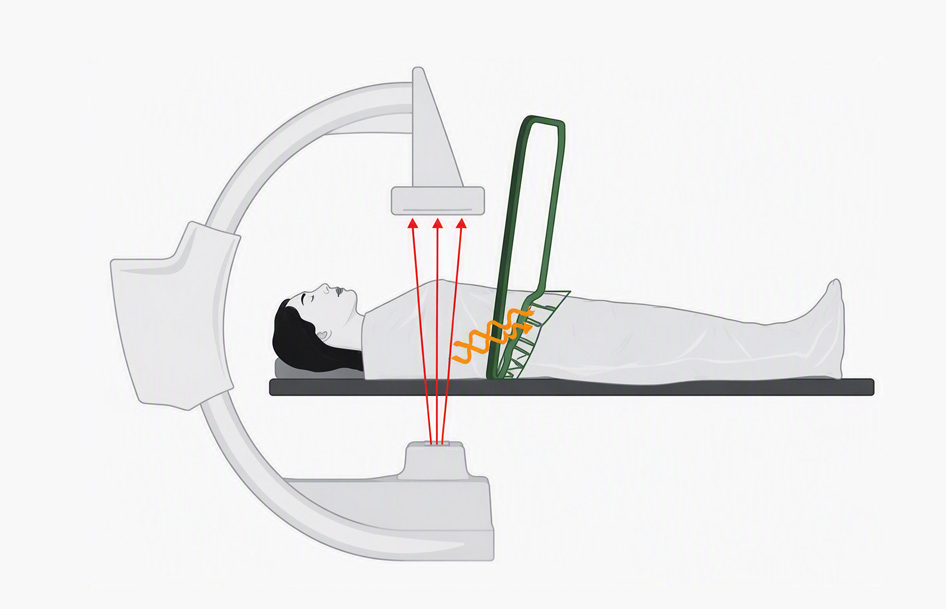
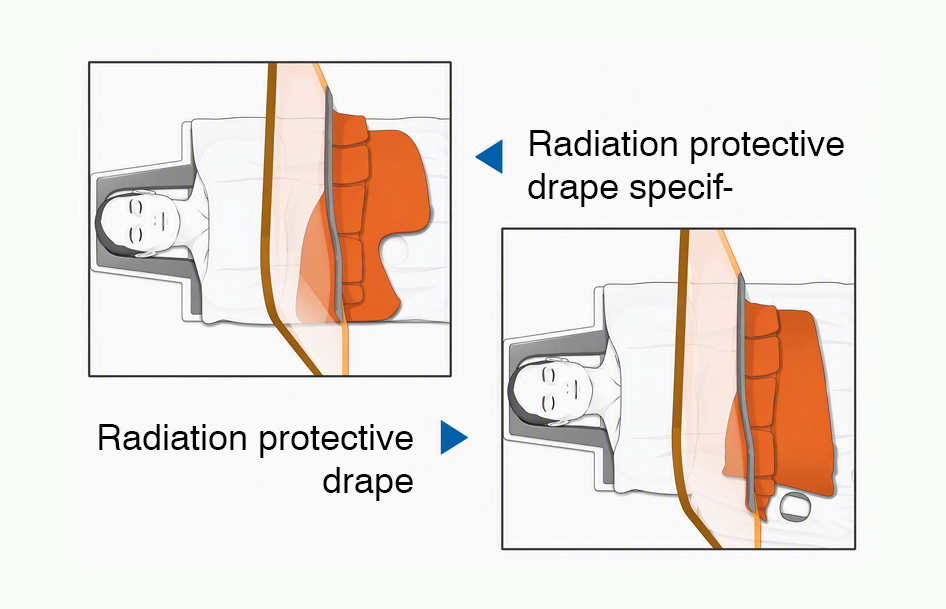
Radiation protection drapes, which are positioned on the patient, extend the protection of the panel curtain. With the use of drapes, considerably more of the scattered radiation coming from the radiographed mass of the patient’s body is blocked, and the protection of the curtain is accordingly increased.
The shape of each drape is designed specifically for its intended purpose: With a cut-out for femoral puncture and without a separate cut-out for radial puncture.

Thanks to the continuity, the quality of its products and the recognised service and demand-based portfolio, MAVIG has been the preferred partner to most OEMs for many years.
MAVIG stands for expertise, safety, reliability and customer focus, and is still 100 % family-owned and owner-managed today.