Concept and Anatomy
Child maltreatment
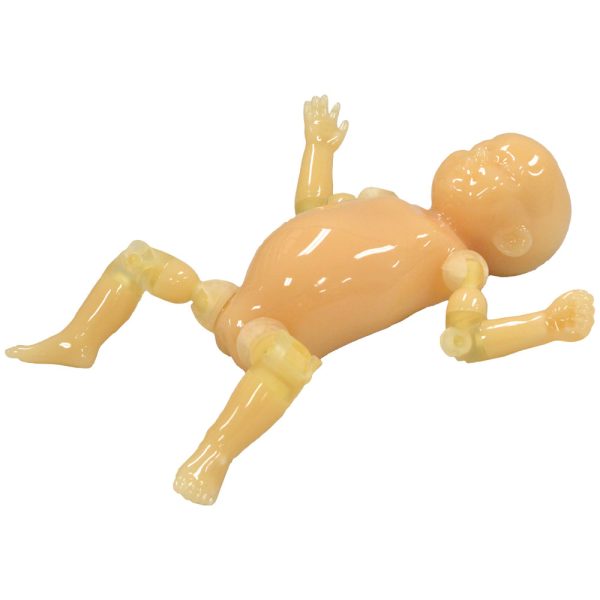
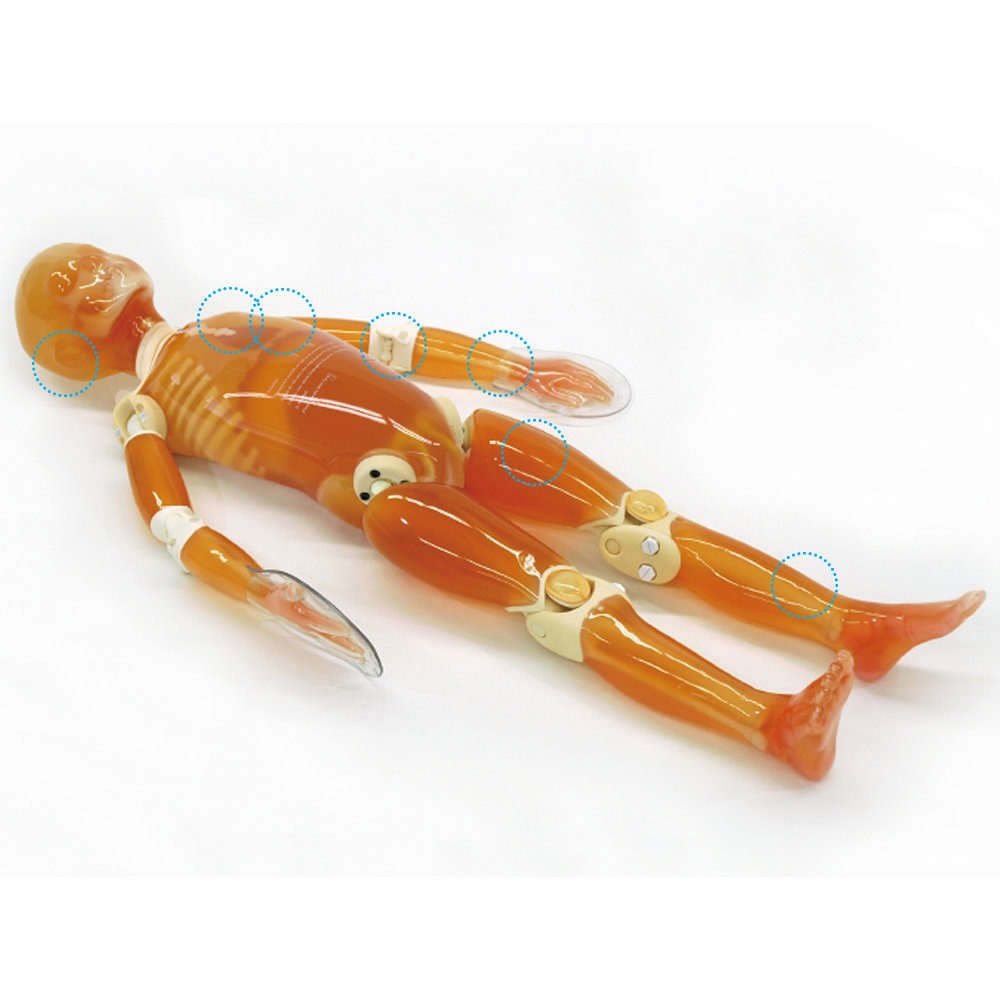
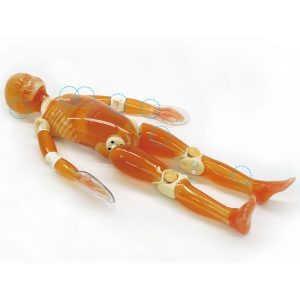
Children around the world are victims to domestic violence and abuse, yet the problem is often overlooked. Noticing the signs of an abusive fracture of a child is the first step to putting an end to these maltreatments.
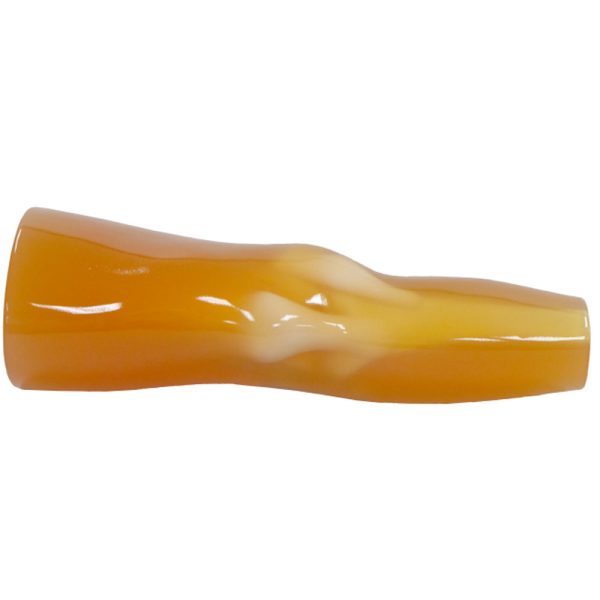
| Signs of callus | A number of callus examples can be a result of abusive treatment. This particular model contains calluses in the wound healing phase 5. |
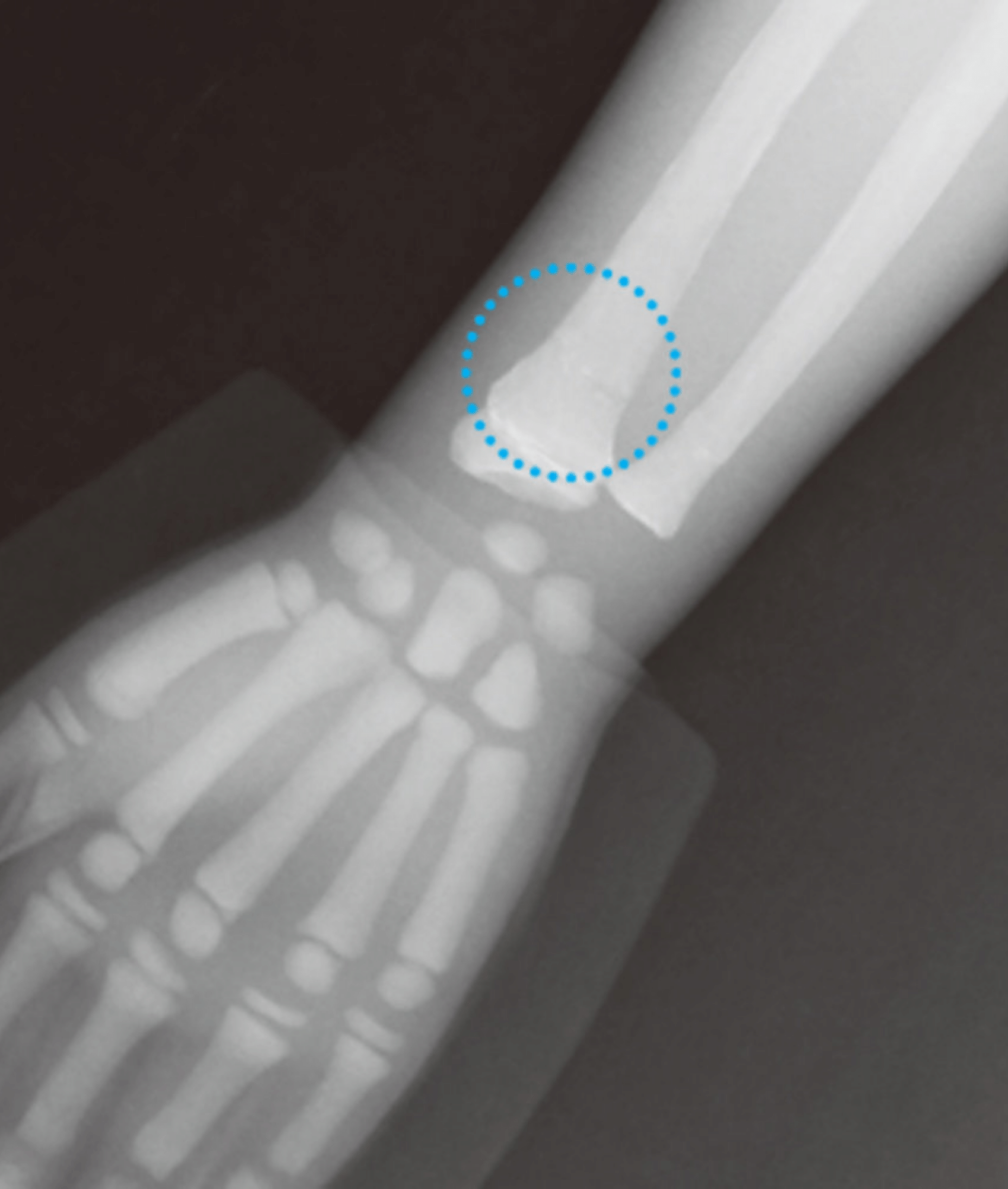
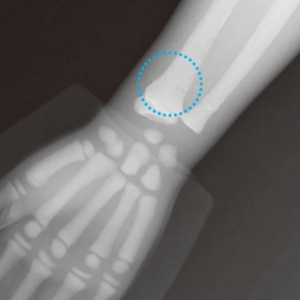
| Supracondylar humerus fracture |
A supracondylar humerus fracture on the distal humerus above the epicondyles and is a fracture commonly observed in children, accounting for approximately 20%. |
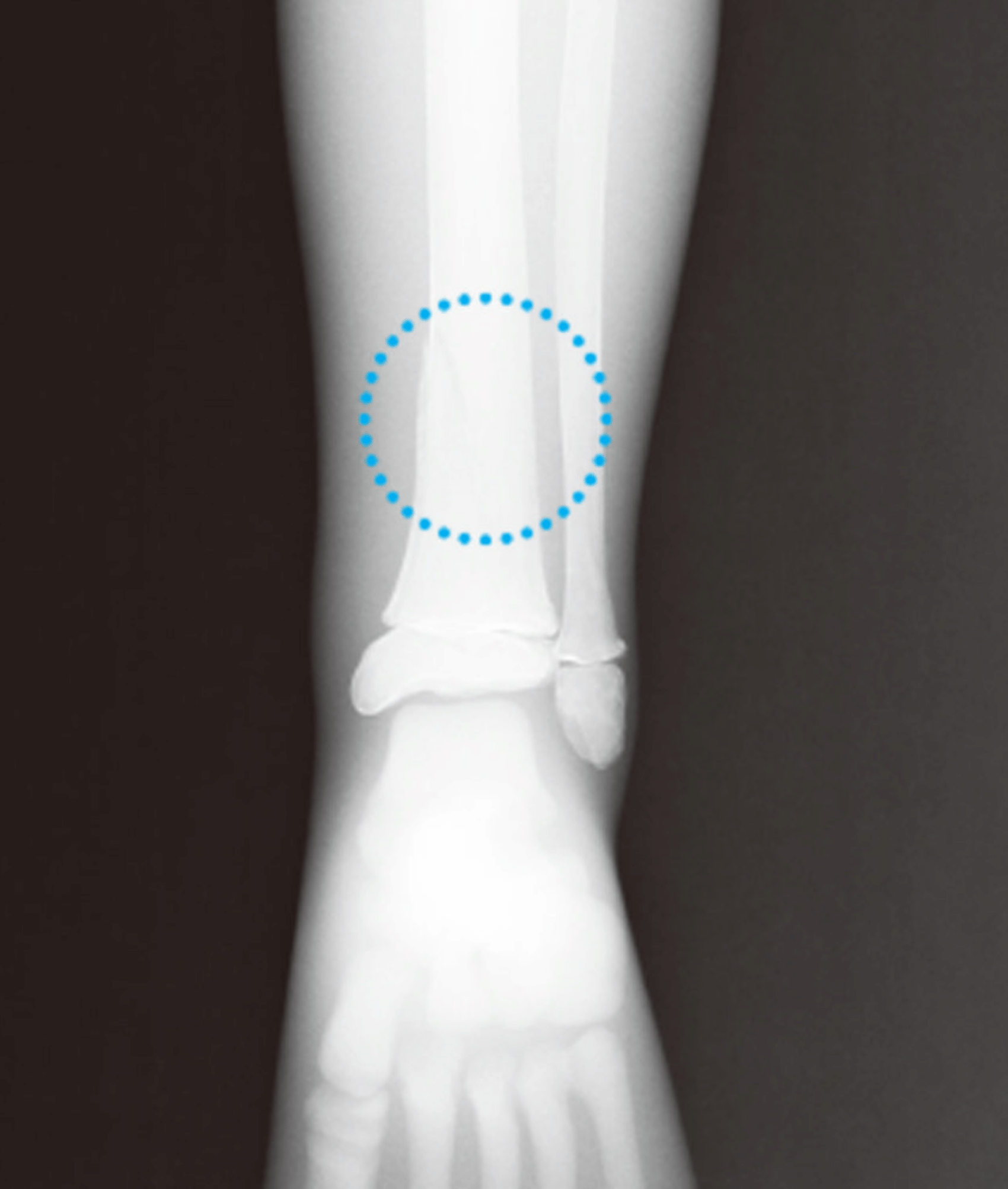
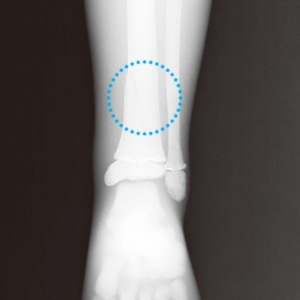
| Spiral fracture | Certain causes of non-accidental pediatric injuries, such as spiral fractures, include maltreatment stimulated by anger or distress. |
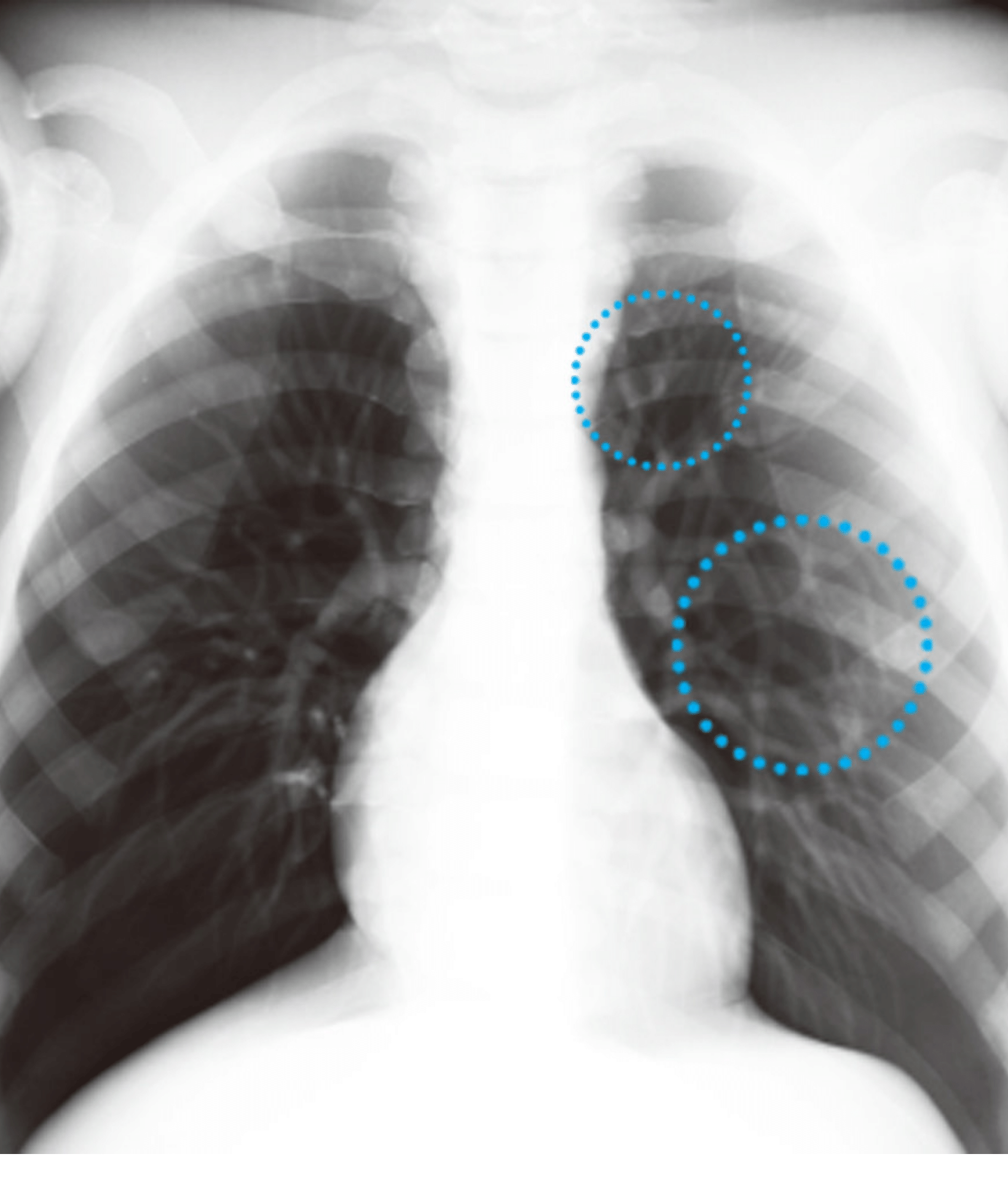
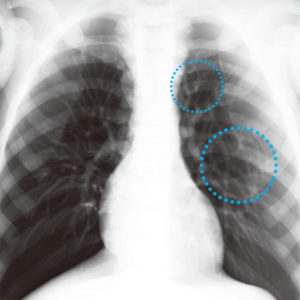
| Back, scapula and rib fractures |
Rib fractures close to the vertebrae may be potential indicators of the child being thrown. |
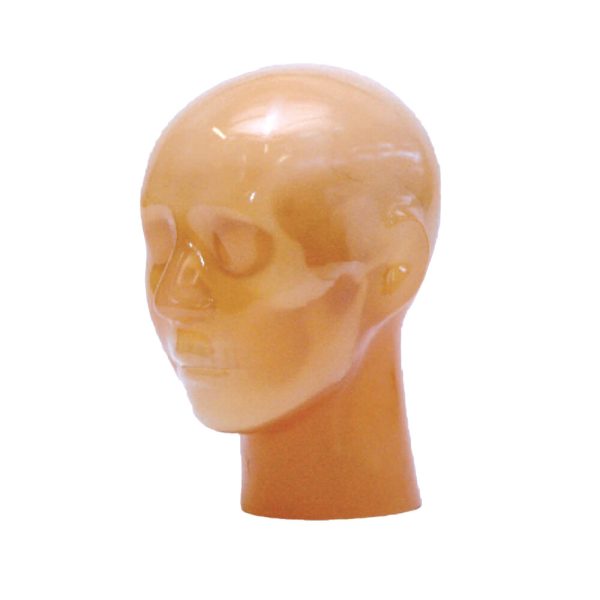
| Skull fractures | A linear skull fracture may be another indication of child maltreatment. At times, fractures display better on x-ray scans than CT imaging. |
Features:
- Training in pediatric radiography can be enriched with clear and subtle bone fractures
- Typical fractures resulting from child abuse are also included
Applications:
- Plain X-ray
- CT
- Basic patient positioning
Case / Pathology:
- Signs of callus
- Supracondylar humerus fracture
- Back, scapula and rib fractures
- Skull fractures
Size:
110 cm / 43.3 in
20kg / 44lb
Materials:
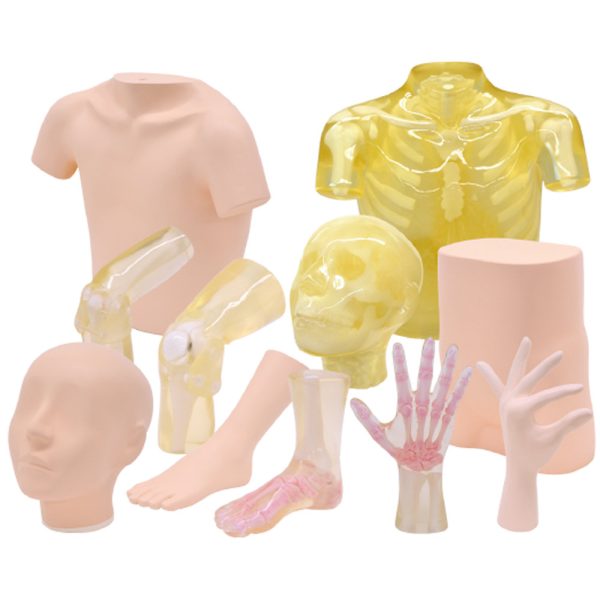
Soft tissue: urethane based resin (density: 1.06) / Synthetic bone: epoxy resin (density: 1.31) / Skull: epoxy resin (density:1.11)
*Phantom has no metal parts or liquid structure
Set Includes
| Quantity | Item |
|---|---|
| 1 | Pediatric Whole Body Phantom |
| 1 | Head Supporter |
| 1 | Hand Fixture Belt |
| 1 | Screwdriver |
| 1 | Set of Sample X-ray Data (DVD) |
| 1 | Manual |
Realizing Education That Inspires Through Manufacturing
Founded in 1891, Kyoto is the world’s only manufacturer of anatomical models, simulators, and imaging phantoms. Made in Kyoto, Japan and trusted in over 60 countries around the world. Passing on cultural heritage through technologies for restoring and replicating cultural assets.