
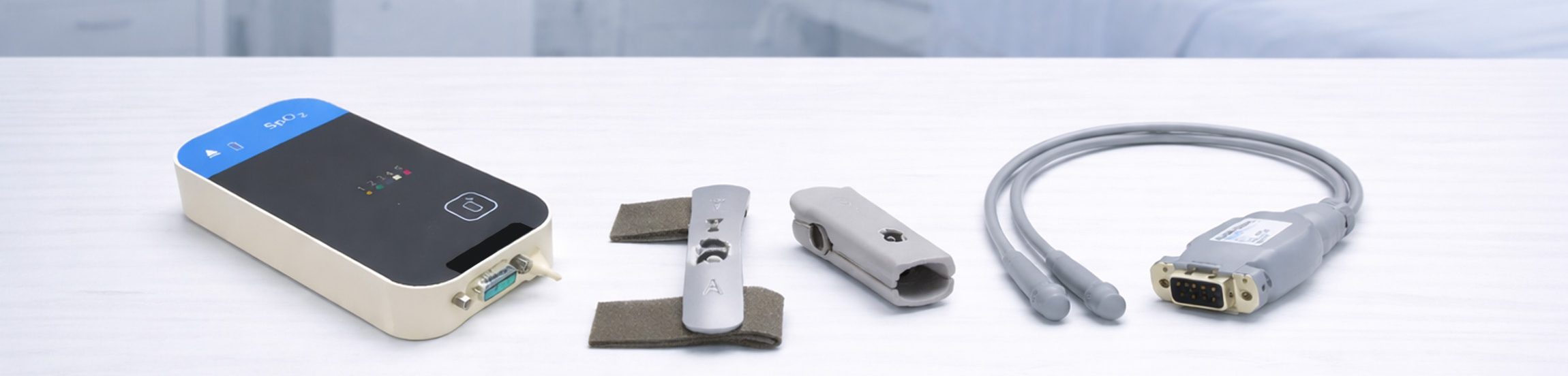
In previous articles, we explored the Philips Expression MR400 Patient Monitoring System and the ECG Module 3.0, both of which play an important role in providing reliable physiological monitoring within the MRI environment. Another key component of the MR400 monitoring ecosystem is the SpO₂ Module 3.0, a specialised monitoring device designed to provide continuous measurement of oxygen saturation and pulse rate throughout MRI examinations.
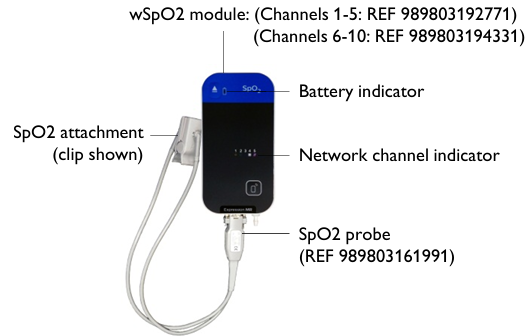
Like all proprietary accessories developed for the MR400 platform, the SpO₂ Module 3.0 is MRI-compatible and engineered to operate safely within the unique conditions created by an MRI scanner. This allows clinicians to maintain continuous assessment of a patient’s oxygenation status while meeting the safety and imaging requirements of modern MRI environments.
The Role of SpO₂ Monitoring in MRI
Pulse oximetry is one of the most commonly used patient monitoring modalities in clinical practice. By continuously measuring peripheral oxygen saturation (SpO₂), clinicians can assess how effectively oxygen is being transported throughout the body while also monitoring pulse rate.
Within the MRI environment, direct patient observation is often limited once imaging begins. Patients are positioned within the scanner bore while the clinical team monitors from outside the scan room, making continuous physiological monitoring an important part of patient care.
The SpO₂ Module 3.0 helps bridge this gap by providing real-time oxygen saturation and pulse rate monitoring throughout the examination. This additional layer of physiological information allows clinicians to quickly identify changes in patient condition and respond appropriately if intervention becomes necessary.

Common Clinical Applications
Continuous SpO₂ monitoring is particularly valuable when imaging:
- Sedated patients
- Critically ill patients
- Paediatric patients
- Patients receiving oxygen therapy
- Patients undergoing prolonged MRI examinations
By providing continuous visibility of a patient’s oxygenation status, the SpO₂ Module 3.0 supports both patient safety and clinical confidence throughout the imaging procedure.
Wireless Monitoring in the MRI Environment
The SpO₂ Module 3.0 has been specifically designed for operation within the MRI environment, providing continuous oxygen saturation and pulse rate monitoring throughout MRI examinations.
The module communicates wirelessly with the MR400 monitor using a 2.4 GHz RF communication link. Once a charged battery is inserted, the module performs an automatic startup sequence and establishes communication with the monitoring system. This allows patient data to be transmitted without the need for long wired connections between the monitor and patient.
Powered by a rechargeable battery, the SpO₂ Module operates independently from the MR400 monitoring cart and can accompany the patient into the MRI bore when required. Communication can be maintained at distances of up to approximately 9.1 metres, providing flexibility for a variety of MRI room layouts and clinical workflows.
During startup, the communication indicators on the module flash before settling on a solid illuminated channel indicator. This channel identifies the communication channel currently assigned to the module. As with the ECG Module 3.0, reliable operation requires the communication channel on the SpO₂ Module to match the channel configured on the MR400 monitor.
Battery status can be viewed directly on the module and within the MR400 user interface. Once communication has been established, the Communications section of the MR400 display provides confirmation that the module is connected and operating correctly, allowing users to quickly verify system readiness before commencing an examination.
Although the module is MRI-compatible, correct positioning remains important. As with other MRI monitoring accessories, locating the module too close to the anatomical area being examined can increase the likelihood of imaging artefacts.
Recommended Positioning Guidelines
- During head and neck imaging, position the module towards the patient’s feet whenever practical.
- During lower extremity imaging, the module may be positioned closer to the patient’s upper body.
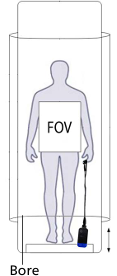
Following these positioning practices helps minimise the impact on image quality while ensuring continuous patient monitoring remains available throughout the examination.
Multi-Channel Operation
The SpO₂ Module 3.0 supports operation across five communication channels. This capability allows multiple MR400 monitoring systems to operate within the same MRI department without interfering with one another.
Each SpO₂ Module can be assigned to a dedicated communication channel, enabling multiple patients to be monitored simultaneously in adjacent MRI environments. Individual MR400 monitors can receive data from their assigned SpO₂ Module, creating a flexible monitoring solution for departments operating multiple MRI systems.
Changing the Communication Channel
- Press and hold the Channel Selection button (2) until the channel indicator (1) begins flashing.
- Press the Channel Selection button repeatedly until the desired channel appears.
- Hold down the Channel Change button until the channel indicator becomes solid.
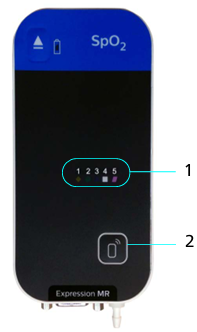
Connection status can be verified by ensuring that the communication channel number and colour indicators match on both the SpO₂ Module and the MR400 monitor.
Understanding the Difference Between ECG and SpO₂ Monitoring
Although the ECG and SpO₂ Modules communicate with the MR400 using a similar wireless architecture, the methods used to obtain physiological information are fundamentally different.
The ECG Module measures the electrical activity generated by the heart through MRI-compatible electrode systems and lead cables.
The SpO₂ Module, however, uses optical technology to assess blood oxygen saturation and pulse activity. This is achieved through a dedicated pulse oximetry sensor connected to the module via a specialised fibre-optic cable system.
Understanding Fibre-Optic Monitoring Technology
One of the most important components of the SpO₂ monitoring system is the fibre-optic patient cable.
Unlike conventional monitoring cables that transmit electrical signals, fibre-optic cables transmit light signals between the patient sensor and the monitoring module. This design offers significant advantages within MRI environments, where strong electromagnetic fields can interfere with traditional monitoring technologies.
By using optical transmission rather than conductive wiring, the SpO₂ Module is able to provide reliable physiological monitoring without introducing many of the challenges associated with conventional patient monitoring systems.
While highly effective, fibre-optic cables require careful handling to maintain performance and longevity.
Avoid the Following
- Excessive bending
- Crushing
- Kinking
- Tight twisting
- Improper storage practices
Damage to the cable’s protective sheath can allow light to escape from the optical pathway, a phenomenon commonly referred to as light leakage. When this occurs, signal quality may deteriorate, potentially affecting the accuracy and reliability of displayed SpO₂ measurements.
For this reason, proper storage, handling, and inspection of fibre-optic cables should form part of routine user training and preventative maintenance programs.
A damaged fibre-optic cable may contribute to:
- Intermittent signal loss
- Unstable oxygen saturation measurements
- Low Perfusion Index values
- Complete loss of patient monitoring
If your cable has become damaged you can source a replacement sensor here at Imaging Direct.
Sensor Configurations and Patient Applications
The SpO₂ Module 3.0 supports both reusable and disposable sensor options, providing flexibility across a wide range of patient populations and clinical requirements.
Reusable Sensors
Reusable sensors are available for:
- Adult patients
- Paediatric patients
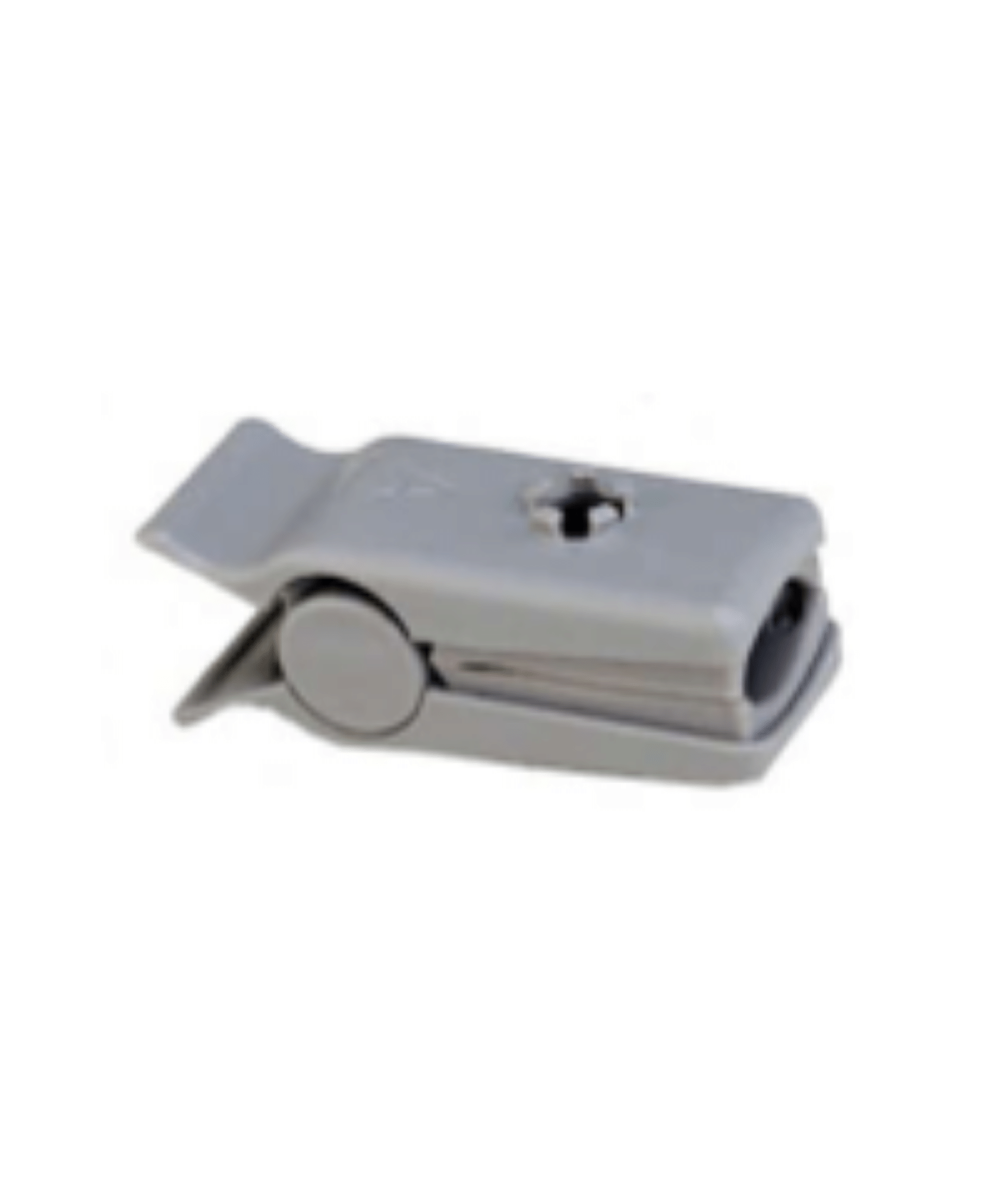
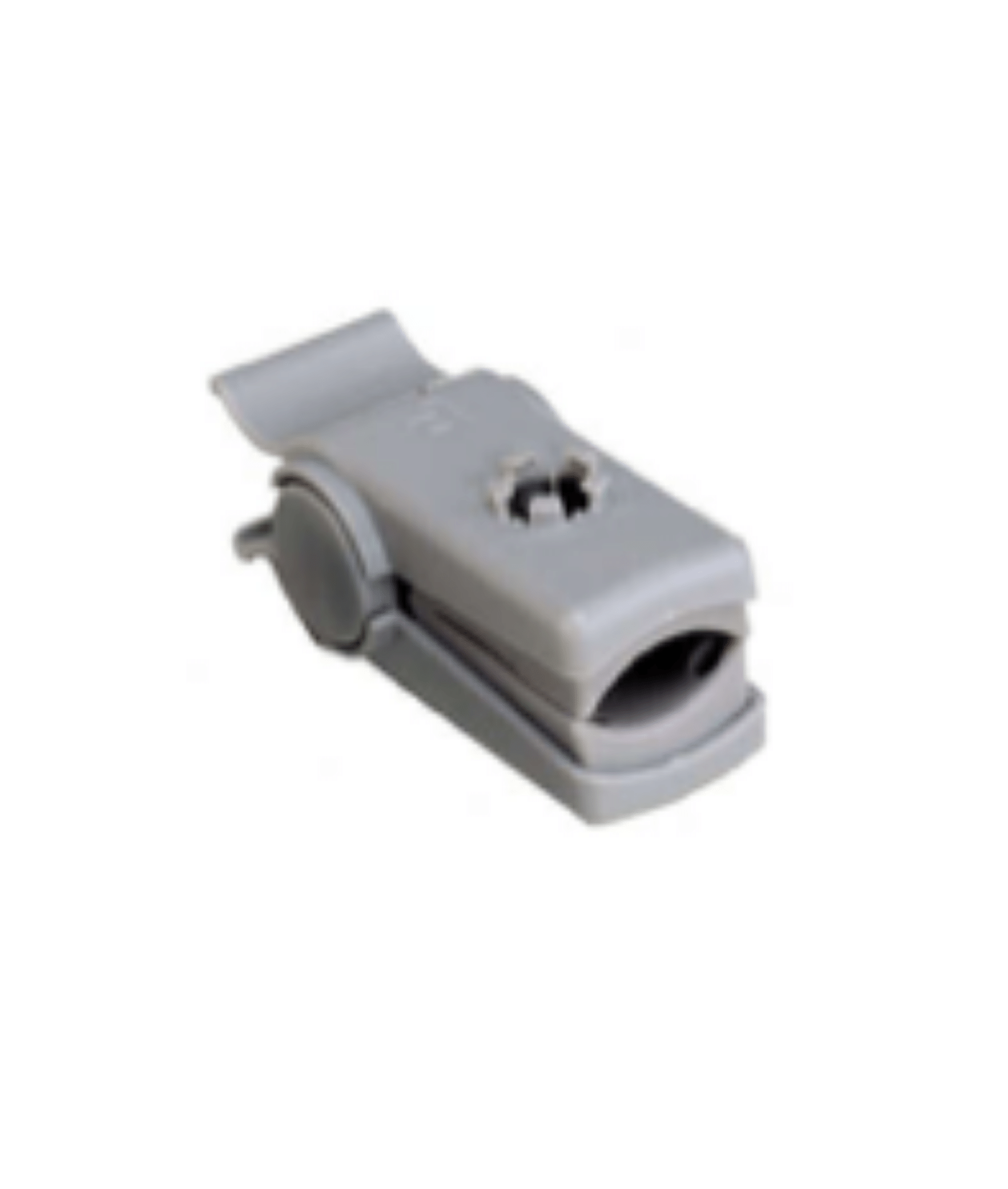
These sensors are clearly labelled (A and P respectively) to assist clinicians in selecting the appropriate size for each patient.
Buy SpO₂ reusable sensors here at Imaging Direct
Reusable sensors provide a durable and cost-effective solution for routine monitoring and are commonly utilised throughout MRI departments where regular patient monitoring is performed.
Disposable Sensors
Disposable sensors provide an alternative monitoring solution when reusable sensors may not be appropriate.
The adhesive design allows the sensor to be secured to the monitoring site while maintaining reliable signal acquisition during the examination.
Disposable sensors are available in:
- Neonatal
- Infant
- Paediatric
- Adult
All disposable sensors are fully compatible with the SpO₂ Module 3.0 and utilise the same fibre-optic connection system.

These sensors can be particularly beneficial when monitoring patients who may move frequently during imaging procedures, helping maintain sensor position and signal stability throughout the examination.
SpO₂ disposable sensors can be purchased here at Imaging Direct
Understanding Perfusion Index and Signal Quality
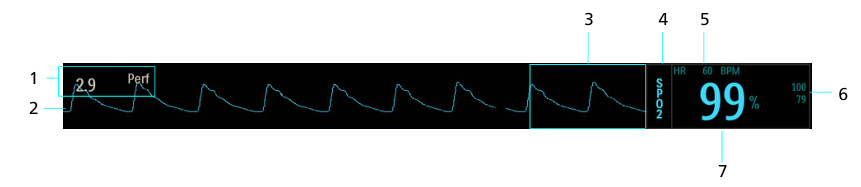
While oxygen saturation is the primary parameter measured by pulse oximetry, the SpO₂ Module 3.0 also provides continuous display of the Perfusion Index (PI), an important indicator of signal quality and peripheral blood flow.
Perfusion Index represents the strength of pulsatile blood flow detected at the monitoring site. In simple terms, it indicates how effectively the pulse oximetry sensor is detecting arterial blood flow beneath the sensor location.
The MR400 displays the Perfusion Index directly above the SpO₂ reading, allowing clinicians to quickly assess the quality of the monitored signal.
A strong Perfusion Index generally indicates:
Indicators of Good Signal Quality
- Strong peripheral blood flow
- Reliable sensor positioning
- High confidence in displayed SpO₂ measurements
Conversely, a low Perfusion Index may indicate:
Potential Causes of Low Perfusion Index
- Poor sensor placement
- Reduced peripheral circulation
- Motion artefact
- Loose sensor connections
- Fibre-optic cable issues
- Communication issues between the module and monitor
As a general troubleshooting guideline, a Perfusion Index below approximately 0.5 may warrant further investigation.
Initial Troubleshooting Steps
- Verify sensor placement on the patient.
- Confirm the sensor is securely connected to the fibre-optic cable.
- Check the fibre-optic cable connection to the SpO₂ Module.
- Ensure communication between the SpO₂ Module and MR400 has been established correctly.
The Perfusion Index provides a simple yet valuable method of validating the reliability of the displayed oxygen saturation measurement and can assist clinicians in identifying potential monitoring issues before they affect patient care.
Alternative Heart Rate Monitoring Through Pulse Oximetry
In addition to measuring oxygen saturation, the SpO₂ Module 3.0 can also derive a patient’s heart rate from the pulse signal detected by the pulse oximetry sensor.
This provides an additional layer of monitoring redundancy and can be particularly useful when ECG monitoring is unavailable or when ECG signal quality becomes compromised.
The MR400 allows users to select the source used for heart rate calculation through the system settings.
ECG
When ECG is selected, heart rate is derived exclusively from the ECG Module.
SpO₂
When SpO₂ is selected, heart rate is derived exclusively from the pulse oximetry signal.
Auto
When Auto mode is selected, the MR400 automatically determines the most reliable heart rate source and displays measurements from either the ECG Module or the SpO₂ Module as appropriate.
For most clinical applications, Auto mode provides the greatest flexibility and helps maintain continuous heart rate monitoring should one signal source become unavailable.
If unexpected heart rate values are observed, verifying the selected heart rate source should form part of the troubleshooting process.
Conclusion
The Philips SpO₂ Module 3.0 is a critical component of the MR400 Patient Monitoring System, providing continuous oxygen saturation, pulse rate, and perfusion monitoring throughout MRI examinations while maintaining compatibility with the demanding MRI environment.
Through the use of fibre-optic monitoring technology, MRI-compatible sensor systems, wireless communication architecture, and integrated Perfusion Index assessment, the module enables reliable physiological monitoring without compromising image quality or patient safety.
Unlike conventional pulse oximetry systems, the SpO₂ Module 3.0 has been specifically engineered to address the unique challenges associated with MRI environments. Its ability to accompany the patient into the MRI bore, communicate wirelessly with the MR400 monitor, and utilise non-conductive fibre-optic technology allows clinicians to maintain continuous visibility of patient oxygenation throughout the examination.
The availability of both reusable and disposable sensor options further enhances the flexibility of the system, allowing clinicians to select the most appropriate monitoring solution for a wide range of patient populations, from neonatal and paediatric patients through to adult patients requiring long-duration imaging studies.
Features such as real-time Perfusion Index monitoring and alternative heart rate sourcing provide valuable clinical information while helping users rapidly assess signal quality and monitoring performance. These capabilities can assist clinicians in identifying potential monitoring issues before they impact patient care.
Understanding how the SpO₂ Module 3.0 operates, how fibre-optic monitoring technology supports MRI compatibility, and how signal quality can be assessed through Perfusion Index monitoring allows clinical users to maximise monitoring performance and maintain confidence in patient observations throughout the MRI examination.
The following frequently asked questions address some of the most common topics relating to the Philips MR400 SpO₂ Module 3.0 and its use within the MRI environment.
SpO₂ Module 3.0 FAQs
1. What does the Philips MR400 SpO₂ Module 3.0 monitor?
The Philips MR400 SpO₂ Module 3.0 continuously monitors a patient’s peripheral oxygen saturation (SpO₂) and pulse rate throughout MRI examinations. This allows clinicians to assess oxygenation status in real time and quickly identify changes in patient condition, particularly during sedation, oxygen therapy, or lengthy imaging procedures.
2. Why does the SpO₂ Module 3.0 use fibre-optic cables?
The SpO₂ Module 3.0 uses fibre-optic technology because it transmits light rather than electrical signals, making it well suited for operation within the MRI environment. Fibre-optic cables are not susceptible to many of the interference challenges associated with conventional conductive monitoring cables and help maintain reliable signal quality during MRI examinations.
To ensure accurate monitoring performance, the fibre-optic cable should be protected from excessive bending, crushing, kinking, or twisting, as physical damage may result in signal degradation or loss of monitoring capability.
3. Can the Philips MR400 SpO₂ Module 3.0 be used inside the MRI bore?
Yes. The SpO₂ Module 3.0 has been specifically designed for MRI applications and can accompany the patient into the MRI bore during scanning. This allows continuous monitoring of oxygen saturation and pulse rate throughout the examination.
To minimise the risk of imaging artefacts, the module should be positioned as far away from the anatomy being scanned as practical. For example, during head imaging, the module is typically positioned closer to the patient’s feet.
4. What is the Perfusion Index (PI), and why is it important?
The Perfusion Index (PI) is a measure of the strength of the pulse signal detected by the SpO₂ sensor and provides information about signal quality and peripheral blood flow at the monitoring site.
A strong Perfusion Index generally indicates a reliable monitoring location and greater confidence in the displayed oxygen saturation value. A low Perfusion Index may indicate poor sensor positioning, reduced peripheral circulation, motion artefact, cable damage, loose connections, or communication issues.
As a general troubleshooting guideline, a Perfusion Index below approximately 0.5 should prompt further investigation of the monitoring setup and sensor configuration.
5. Can the SpO₂ Module 3.0 be used to monitor heart rate?
Yes. In addition to oxygen saturation monitoring, the SpO₂ Module 3.0 can derive heart rate from the pulse oximetry signal and provide this information to the MR400 monitor.
Users can configure the MR400 to derive heart rate from the ECG Module, the SpO₂ Module, or allow the monitor to automatically select the most reliable source through Auto mode. This flexibility helps maintain continuous heart rate monitoring if one monitoring modality becomes unavailable or experiences reduced signal quality.