
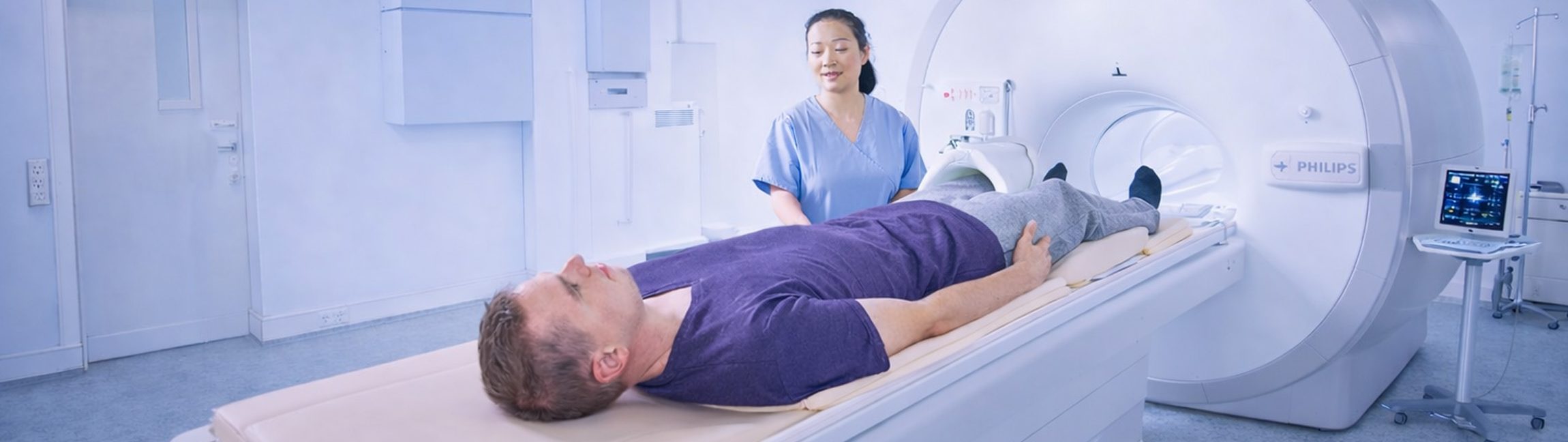
The Philips Expression MR400 Patient Monitoring System is capable of monitoring far more than traditional physiological parameters such as ECG, SpO₂, blood pressure, and invasive pressures. When equipped with capnography monitoring and the optional Agent Monitoring functionality, the MR400 provides clinicians with valuable information regarding patient ventilation, respiratory status, oxygen delivery, and anaesthetic gas concentrations throughout MRI procedures.

This functionality is particularly valuable during MRI examinations involving sedated or anaesthetised patients, where continuous assessment of respiratory status can play a critical role in patient safety. By combining End-Tidal Carbon Dioxide (ETCO₂) monitoring with optional anaesthetic gas monitoring, the MR400 provides clinicians with a comprehensive overview of a patient’s respiratory condition throughout an examination.
What Is ETCO₂ Monitoring?
End-Tidal Carbon Dioxide (ETCO₂) monitoring measures the concentration of carbon dioxide present at the end of an exhaled breath. Because carbon dioxide production and elimination are directly linked to respiratory function, ETCO₂ monitoring provides clinicians with a reliable indication of ventilation effectiveness.
Using sidestream sampling technology, the MR400 continuously analyses a sample of the patient’s breath and displays:
- Fractional Inspired Carbon Dioxide (FiCO₂)
- End-Tidal Carbon Dioxide (ETCO₂)
- Respiration Rate
These values provide important insight into a patient’s respiratory status and can assist clinicians in identifying ventilation changes that may require intervention.
Why ETCO₂ Monitoring Matters in MRI
Within the MRI environment, direct patient access may be limited during image acquisition. As a result, continuous respiratory monitoring becomes an important component of patient care, particularly when monitoring sedated or higher-risk patients.

ETCO₂ monitoring can assist clinicians in:
- Assessing respiratory status
- Evaluating ventilation effectiveness
- Monitoring sedated patients
- Detecting respiratory compromise
- Identifying sudden respiratory changes
- Confirming airway placement
By providing continuous respiratory information throughout an MRI examination, ETCO₂ monitoring offers an additional layer of patient safety and clinical confidence.
Understanding Agent Monitoring
While ETCO₂ monitoring focuses on respiratory function, Agent Monitoring expands the MR400’s capabilities to include anaesthetic gas analysis.
When equipped with the optional Agent Monitoring functionality, the MR400 can monitor and identify:
- Oxygen (FiO₂)
- Carbon Dioxide (CO₂)
- Nitrous Oxide (N₂O)
- Volatile Anaesthetic Agents
The system uses Philips Anaesthetic Gas Sensor (AGS) technology, which combines infrared spectroscopy with advanced digital signal processing to accurately identify and measure gas concentrations in real time.
Unlike physiological monitoring parameters that measure the body’s response, gas monitoring allows clinicians to directly observe the gases being inspired and expired by the patient, providing valuable insight into ventilation and anaesthetic delivery.
Understanding MR400 ETCO₂ and Agent Monitoring Configurations
All MR400 systems equipped with gas monitoring provide End-Tidal Carbon Dioxide (ETCO₂) monitoring as a standard capability. This allows clinicians to monitor:
- End-Tidal Carbon Dioxide (ETCO₂)
- Fractional Inspired Carbon Dioxide (FiCO₂)
- Respiration Rate
However, not every MR400 system includes the optional Agent Monitoring bench.
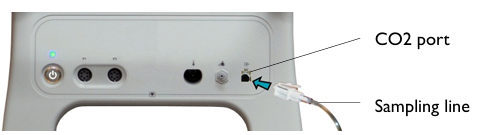
MR400 System Configured for Low-Flow ETCO₂ Monitoring Only
Systems configured with ETCO₂ monitoring alone provide respiratory monitoring functionality but do not support anaesthetic gas analysis. These systems display capnography waveforms, ETCO₂ values, FiCO₂ values, and respiration rate measurements.
Systems equipped with the optional Agent Monitoring bench provide all ETCO₂ monitoring functions in addition to:
- Oxygen (FiO₂) monitoring
- Nitrous Oxide (N₂O) monitoring
- Volatile anaesthetic agent identification
- Inspired and end-tidal anaesthetic agent concentrations
- Multiple-agent detection
- Minimum Alveolar Concentration (MAC) calculations
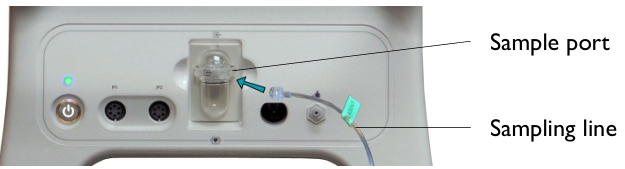
MR400 System Configured with Agent Monitoring Capabilities
As a result, the monitoring capabilities available on a specific MR400 system depend on the configuration installed. Systems equipped with Agent Monitoring provide a more comprehensive view of respiratory gas composition and anaesthetic delivery throughout the examination.
The Anaesthetic Gas Sensor System
The gas monitoring system is located on the front panel of the MR400 and utilises a dedicated sampling system to continuously analyse respiratory gases.
A small sample of the patient’s respiratory gases is drawn through a sampling line and delivered to the internal gas analysis system. Using infrared spectroscopy, the monitor identifies and measures the concentration of the gases present within the sample.
The processed information is displayed on the MR400 touchscreen, providing clinicians with real-time respiratory and anaesthetic gas measurements throughout the procedure.
The system is designed to provide fast and accurate measurement while maintaining compatibility with the MRI environment.
Sample Lines and Gas Sampling
The MR400 uses sidestream gas monitoring technology to continuously analyse respiratory gases.
A small sample of the patient’s breath is drawn through a disposable sample line and delivered to the monitor for analysis.
Several sample line configurations are available depending on the monitoring application, including:
- Sample lines with cannulas for ETCO₂ monitoring
- Divided sample lines that provide ETCO₂ monitoring and oxygen delivery
- Sample lines with airway adapters
- Sample lines for use with Agent Monitoring systems equipped with water traps
Because gas monitoring accuracy depends upon maintaining an unobstructed sampling pathway, sample lines should be inspected prior to use and replaced if damaged, obstructed, or contaminated with secretions.
All sample lines are single-use accessories and should be discarded following use in accordance with local infection-control procedures.
Understanding the Water Trap
A critical component of Agent Monitoring systems is the water trap assembly.
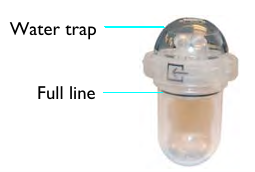
The water trap performs several important functions:
- Protecting the internal gas analysis system from moisture
- Filtering contaminants from sampled gases
- Preventing condensation from entering the monitor
- Maintaining measurement accuracy
- Protecting the internal pump and sensor assemblies
The water trap connects directly to the MR400 and acts as the intermediary between the sampling line and gas analysis system.
Respiratory gases naturally contain water vapour and, over time, moisture will accumulate within the water trap. Regular inspection helps ensure reliable system performance and prevents fluid contamination of sensitive internal components.
Unlike reusable monitoring accessories, the water trap is a disposable component and should never be cleaned or reused. Once the trap becomes full or contaminated, it should be replaced and disposed of according to clinical infection-control procedures.
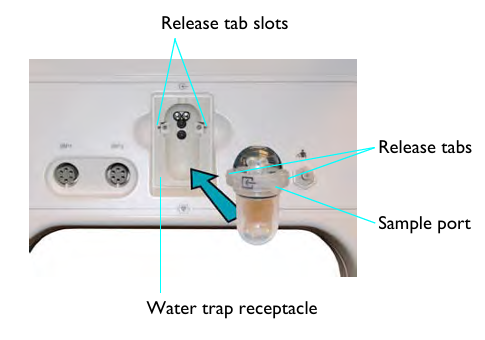
Attempting to reuse a water trap may increase the risk of fluid entering the monitoring system and could negatively affect gas measurement accuracy.
Daily Inspection Requirements
As part of routine equipment checks, the water trap and sampling system should be visually inspected before use.
Users should verify:
- The water level remains below the maximum fill indicator
- The water trap housing is free from cracks or damage
- Connection points remain secure
- The filter appears intact
- The sampling line connection is undamaged
- The sampling line is free from blockage or contamination
Although the connection system is designed to be secure, damage sustained during transport, cleaning, or routine handling could potentially affect performance.
These simple inspections take only moments to complete but can significantly improve reliability and reduce the likelihood of monitoring interruptions during patient examinations.
Secure Sampling Line Connections
The sampling line connects to the water trap using a luer-lock connection system.
This design provides several practical benefits:
- Improved patient safety
- Reduced risk of accidental disconnection
- Greater measurement reliability
- Increased clinician confidence during procedures
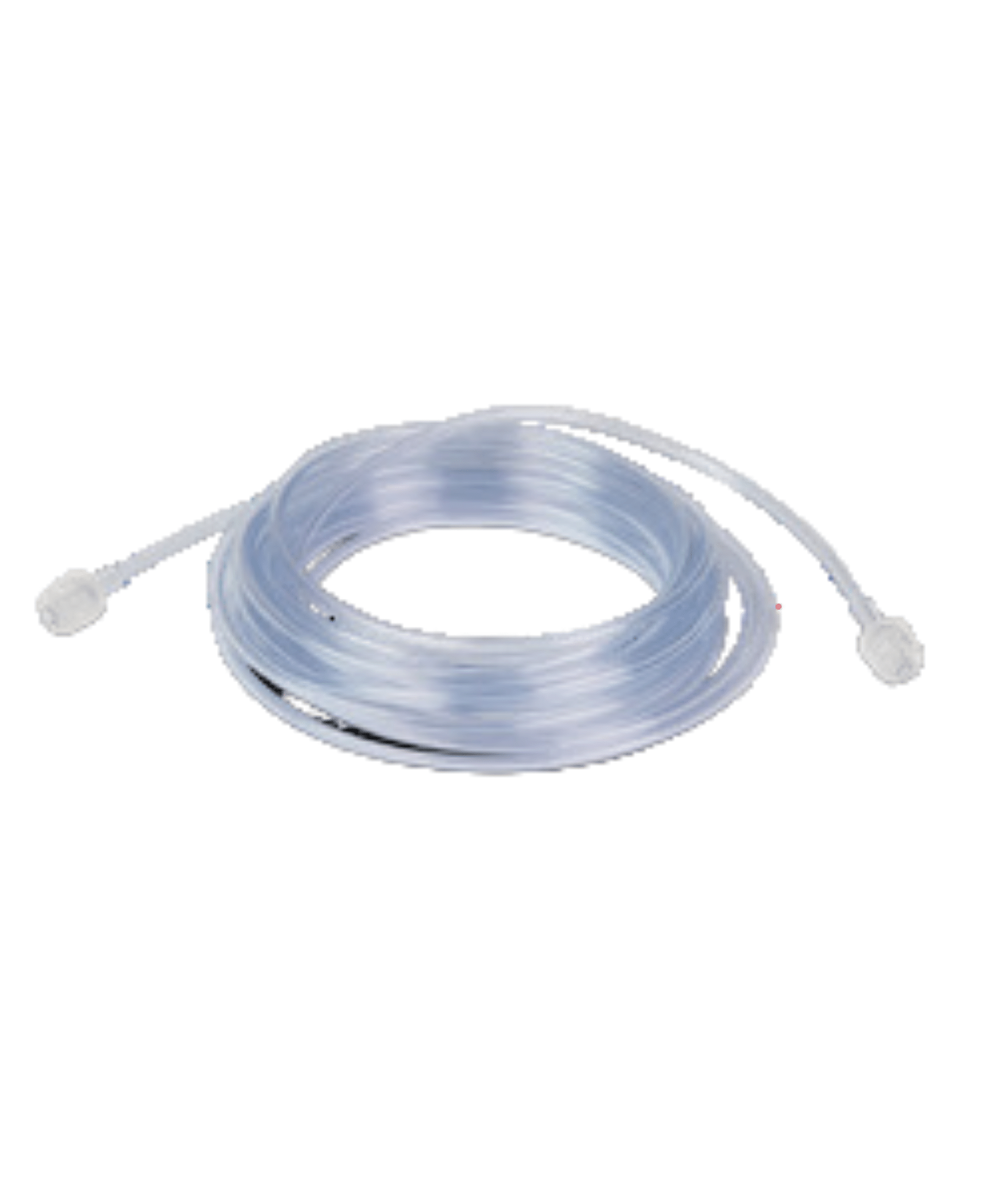
Unlike push-fit connectors, the luer-lock mechanism secures the sampling line firmly in place, reducing the likelihood of sampling interruptions caused by patient movement or equipment repositioning.
Maintaining a secure sampling pathway is essential for obtaining accurate respiratory and anaesthetic gas measurements.
Understanding the Displayed Parameters
Once monitoring is established, respiratory and gas measurements are displayed throughout several areas of the MR400 touchscreen interface.
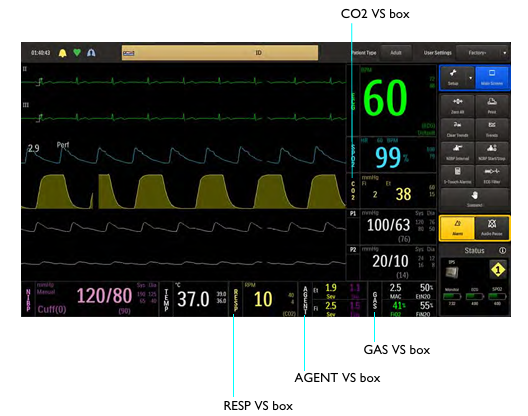
CO₂ Display
CO₂ monitoring information is displayed in both waveform and numerical format.
Displayed values include:
- End-Tidal Carbon Dioxide (ETCO₂)
- Fractional Inspired Carbon Dioxide (FiCO₂)
- Respiration Rate
The capnography waveform provides a visual representation of each respiratory cycle while numerical values allow clinicians to quickly identify changes in ventilation status.
Respiration Display
The MR400 can derive respiration rate directly from the sampled CO₂ signal.
Because respiration is calculated from the exhaled breath, this provides a useful indication of ongoing respiratory activity throughout the examination.
Agent Display
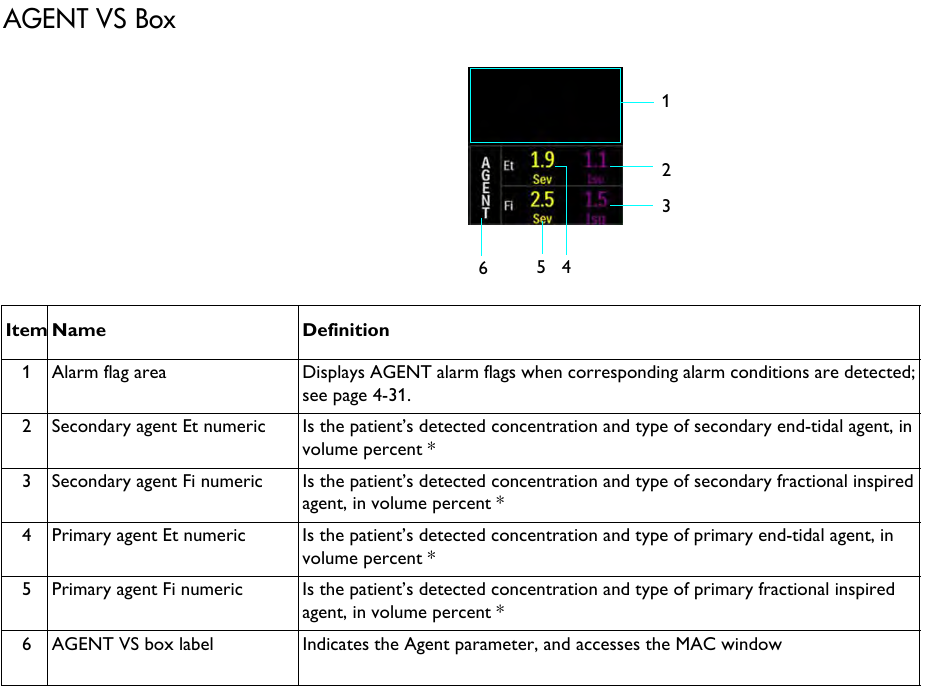
When Agent Monitoring is installed, the AGENT display provides information relating to anaesthetic gases detected within the sampled breath.
The display may include:
- Primary anaesthetic agent identification
- End-tidal agent concentration
- Inspired agent concentration
- Secondary anaesthetic agent information
Supported volatile anaesthetic agents include:
- Desflurane
- Enflurane
- Halothane
- Isoflurane
- Sevoflurane
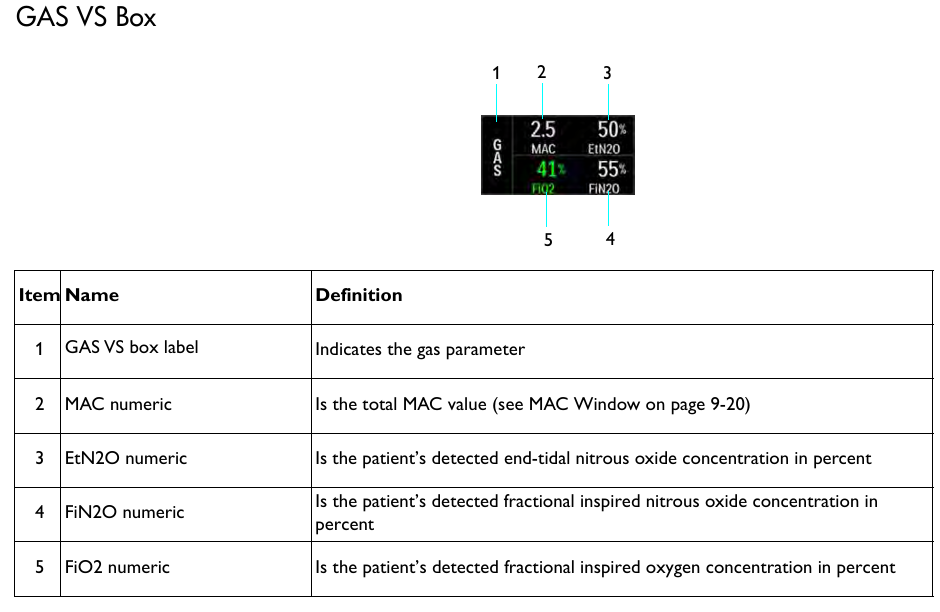
Gas Display
The GAS display presents additional respiratory gas measurements including:
- FiO₂ (Inspired Oxygen)
- N₂O (Nitrous Oxide)
- MAC (Minimum Alveolar Concentration)
These values assist clinicians in evaluating the composition of the patient’s inspired and expired respiratory gases throughout anaesthetic procedures.
Understanding Minimum Alveolar Concentration (MAC)
For systems equipped with Agent Monitoring, the MR400 automatically calculates and displays Minimum Alveolar Concentration (MAC).
MAC is a clinical reference value used to indicate the potency of anaesthetic gases and represents the concentration at which 50% of patients would not respond to a surgical stimulus.
The MR400 calculates Total MAC by combining the contribution of detected anaesthetic agents and nitrous oxide. This provides clinicians with a simple method of assessing the overall anaesthetic effect being delivered to the patient.
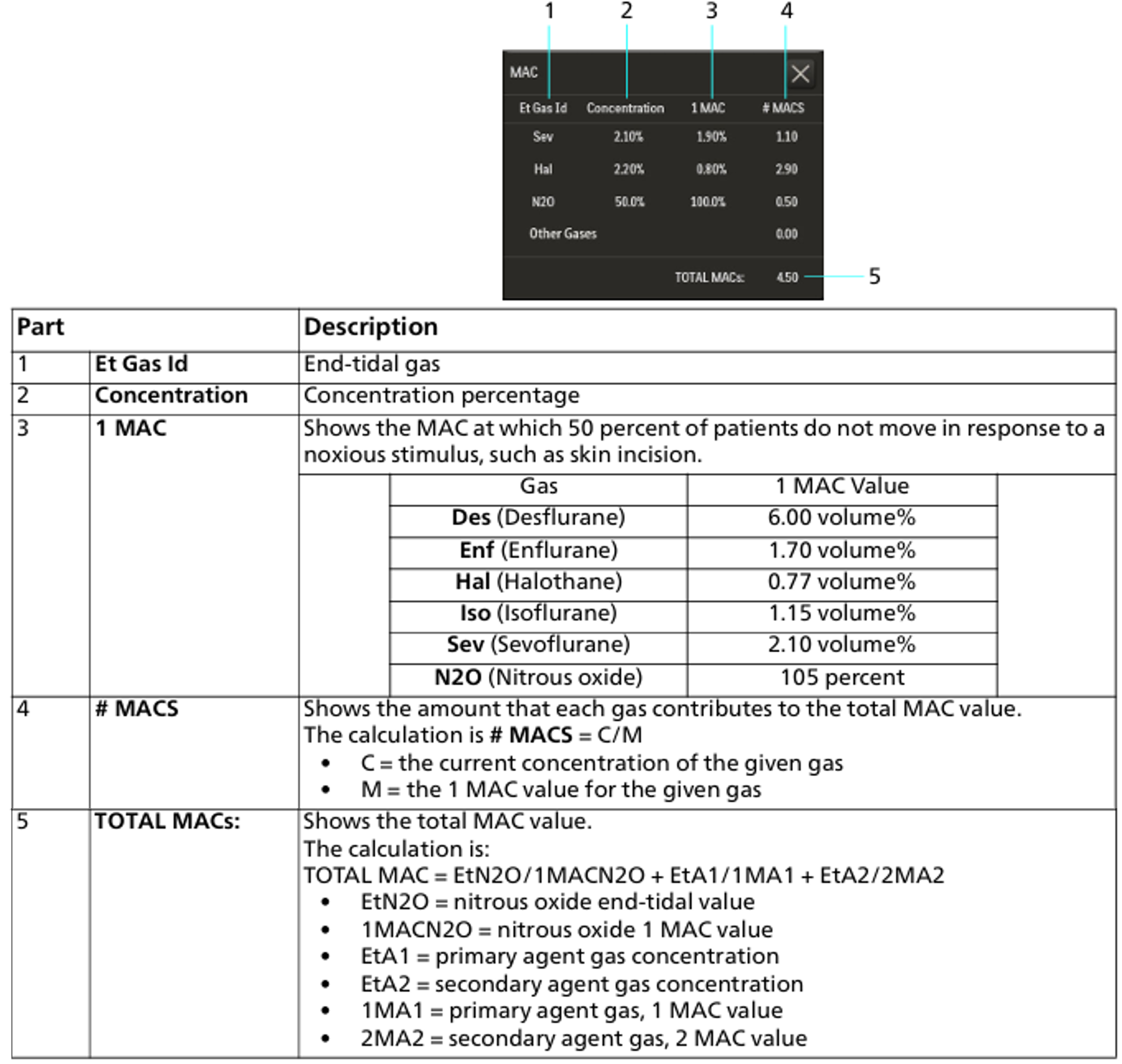
When multiple anaesthetic agents are present, each agent’s contribution is incorporated into the displayed Total MAC value.
Multiple Agent Detection
One of the advanced features of the Philips Agent Monitoring system is its ability to identify the presence of multiple anaesthetic agents simultaneously.
When two or more anaesthetic agents are detected at clinically significant concentrations, the MR400 displays a Multiple Agents indication.
This commonly occurs during anaesthetic transitions. For example:
- One anaesthetic agent may initially be used for induction
- A second agent may then be introduced
- Both agents may be detectable during the transition period
Automatically identifying this condition helps clinicians maintain awareness of the patient’s anaesthetic status throughout the procedure.
Clinical Benefits of ETCO₂ and Agent Monitoring
For patients undergoing MRI examinations under sedation or anaesthesia, continuous respiratory and gas monitoring provides several important advantages.
These include:
- Early identification of respiratory compromise
- Continuous assessment of ventilation effectiveness
- Monitoring of delivered anaesthetic concentrations
- Verification of oxygen delivery
- Monitoring inspired and expired gas concentrations
- Enhanced patient safety during anaesthesia
- Improved clinical visibility throughout MRI examinations
By integrating these capabilities directly into the MR400 platform, clinicians can view respiratory, cardiovascular, and anaesthetic information from a single monitoring system.
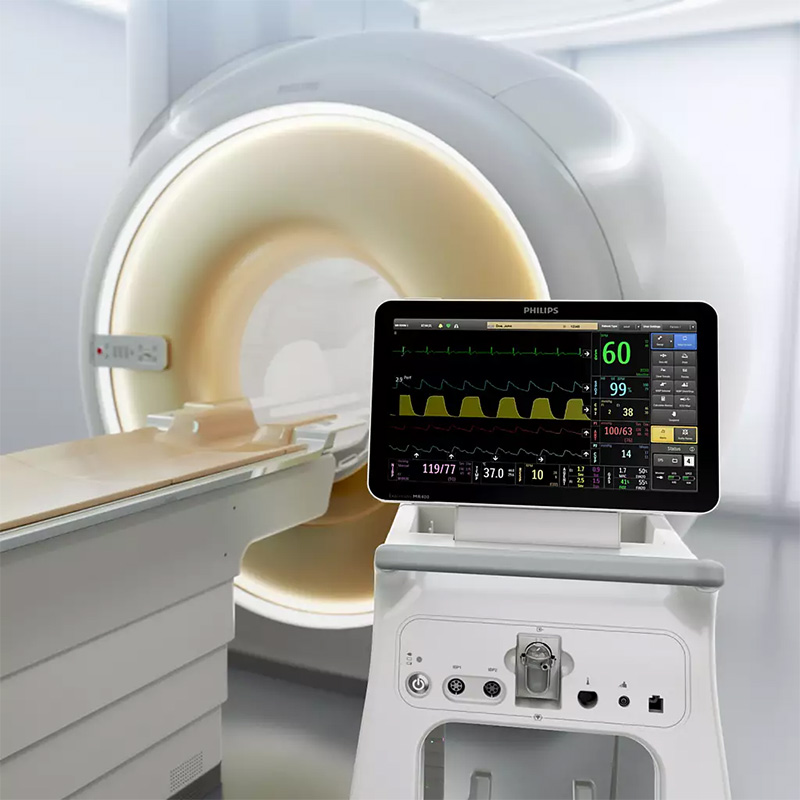
Conclusion
The Philips MR400 ETCO₂ and Agent Monitoring functionality significantly expands the monitoring capabilities of the MR400 platform, providing clinicians with detailed information regarding patient ventilation, respiratory gases, oxygen concentration, and anaesthetic delivery throughout MRI procedures.
Through the use of sidestream sampling technology, infrared spectroscopy, advanced gas analysis systems, secure sampling connections, and integrated touchscreen displays, the MR400 delivers reliable respiratory monitoring while maintaining compatibility with the MRI environment.
Whether configured for ETCO₂ monitoring alone or equipped with full Agent Monitoring capability, the system provides valuable clinical information that supports patient safety throughout MRI examinations involving sedation or anaesthesia.
Features such as capnography waveform monitoring, oxygen and nitrous oxide measurement, MAC calculation, multiple-agent detection, and integrated anaesthetic gas analysis help clinicians maintain continuous visibility of patient respiratory status throughout imaging procedures.
When combined with routine inspection procedures, correct sample-line selection, and proper water trap maintenance, the MR400 ETCO₂ and Agent Monitoring system becomes a powerful tool that supports clinical decision-making and patient safety throughout the MRI environment.
Philips MR400 ETCO₂ and Agent Monitoring FAQs
1. How can I tell if my MR400 supports Agent Monitoring or ETCO₂ monitoring only?
All MR400 systems equipped with gas monitoring provide ETCO₂ monitoring, including End-Tidal Carbon Dioxide (ETCO₂), Fractional Inspired Carbon Dioxide (FiCO₂), and respiration rate measurements.
However, only systems fitted with the optional Agent Monitoring bench support advanced gas analysis functions such as:
- Oxygen (FiO₂) monitoring
- Nitrous Oxide (N₂O) monitoring
- Volatile anaesthetic agent identification
- Inspired and end-tidal agent concentrations
- Multiple-agent detection
- Minimum Alveolar Concentration (MAC) calculations
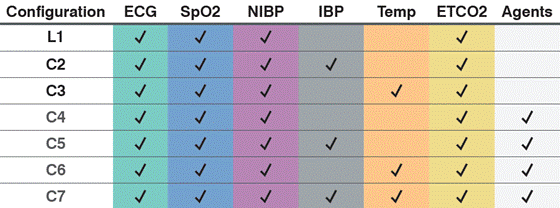
In general, MR400 systems equipped with Agent Monitoring display dedicated AGENT and GAS parameter boxes on the monitor screen. Systems configured for ETCO₂-only monitoring display capnography and respiration monitoring information but do not display anaesthetic gas measurements, oxygen measurements, nitrous oxide measurements, or MAC calculations.
If you are unsure which configuration is installed, refer to the MR400 configuration table below. This table outlines the currently available system configurations and highlights which configurations provide Low-Flow ETCO₂ monitoring only and which include full Agent Monitoring capabilities.
2. Why is ETCO₂ monitoring important during MRI examinations?
ETCO₂ monitoring measures the concentration of carbon dioxide at the end of exhalation and provides a reliable indication of a patient’s ventilation status. During MRI examinations, where direct patient access may be limited, ETCO₂ monitoring helps clinicians assess respiratory effectiveness, confirm airway placement, identify respiratory compromise, and detect sudden changes in patient condition.
3. How often should the MR400 water trap be inspected and when should it be replaced?
The water trap should be visually inspected daily with additional checks conducted before and after patient usage. Users should verify that the water level remains below the maximum fill indicator and inspect the water trap for cracks, damage, contamination, and filter condition.
The water trap should be replaced when it becomes filled, contaminated, damaged, or if monitoring performance is compromised. Water traps are single-use components and should not be cleaned or reused.
4. What does the “Multiple Agents” message mean on the Philips MR400?
The “Multiple Agents” indication appears when the Agent Monitoring system detects two or more anaesthetic agents at clinically significant concentrations. This commonly occurs during transitions between anaesthetic agents, where one agent is being reduced while another is being introduced. The indication helps clinicians maintain awareness of the patient’s anaesthetic status and supports effective anaesthetic management.
5. What is MAC and why is it displayed on some MR400 systems?
MAC (Minimum Alveolar Concentration) is a measurement used to indicate the potency of anaesthetic gases. The MR400 automatically calculates Total MAC using the concentrations of detected anaesthetic agents and nitrous oxide.
Because MAC calculations require Agent Monitoring capability, this parameter is only available on MR400 systems fitted with the optional Agent Monitoring bench. ETCO₂-only systems do not display MAC values.